
Speech Therapy
At The Madison Center, we provide individualized pediatric speech therapy in Excelsior, MN, serving families from Minnetonka and throughout the surrounding west metro. Our speech-language pathologists support children with speech sounds, Childhood Apraxia of Speech (CAS), language, stuttering, social communication, and AAC. Therapy is play-based, evidence-based, and tailored to your child’s unique strengths and needs.
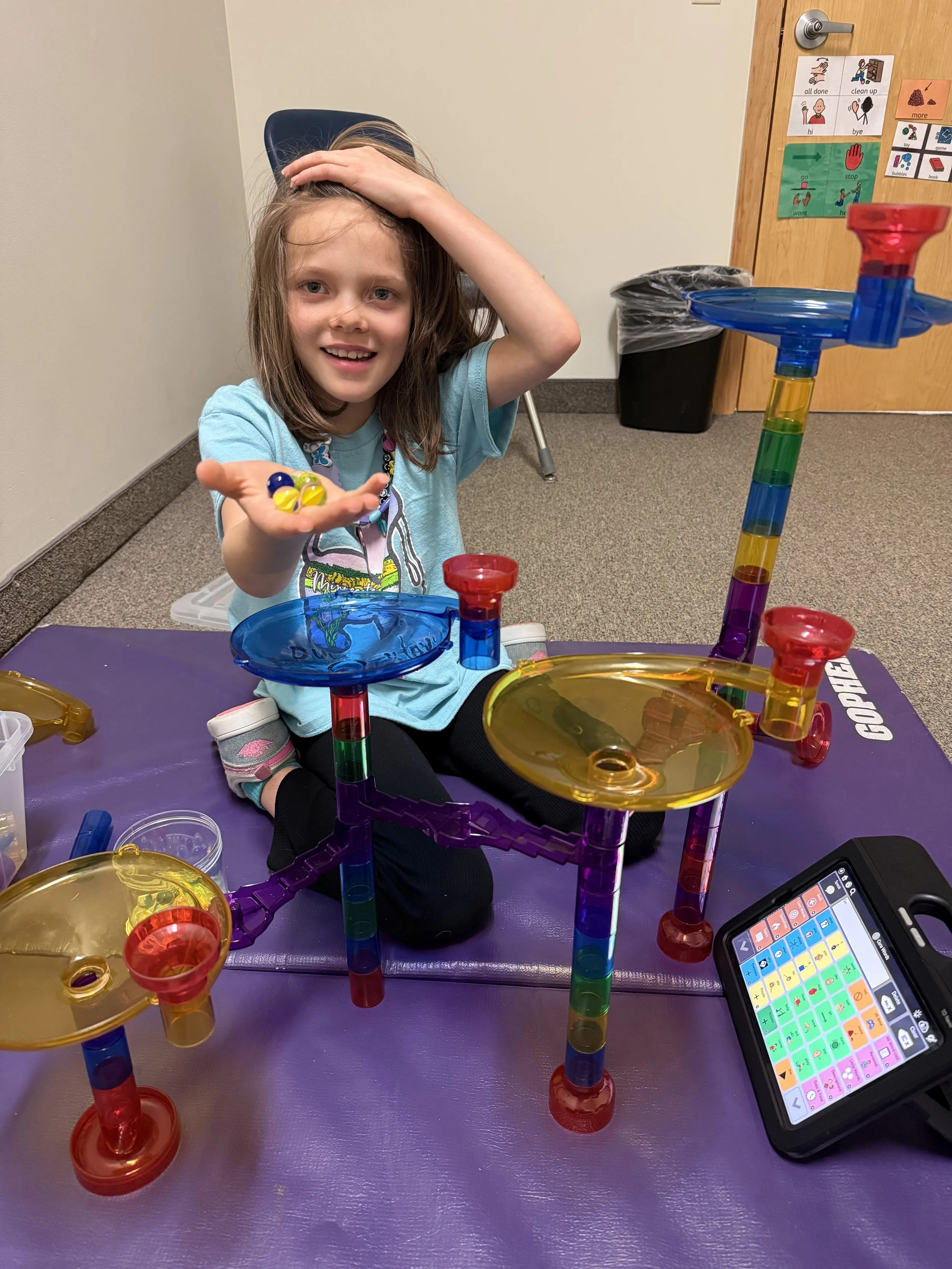
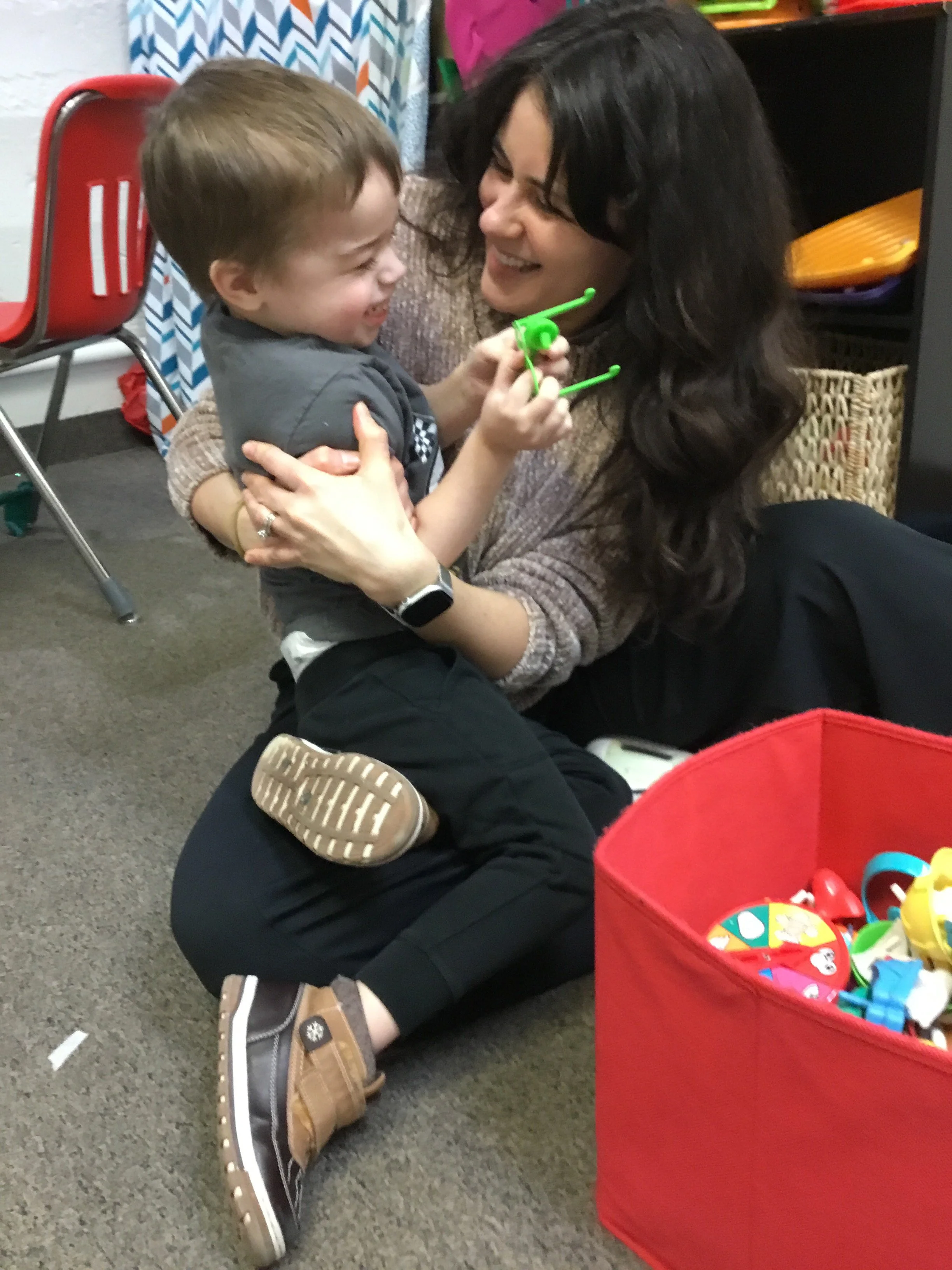
-
Is your child hard to understand?
Does your child have difficulty saying certain sounds like R, S, L, or TH?
Does your child leave sounds out of words or substitute one sound for another?
Does your child sound younger than other kids their age?
Does your child get frustrated when others don’t understand them?
Your child may benefit from articulation therapy, which helps children learn how to produce speech sounds clearly and confidently.
-
Does your child seem to have trouble understanding directions?
Do they need instructions repeated often?
Do they struggle to follow multi-step directions like “get your shoes and bring me your backpack”?
Do they seem confused during conversations or group activities?
Your child may benefit from receptive language therapy, which helps children better understand words, sentences, and conversations.
-
Is your child not talking yet or using only a few words?
Are they talking less than other children their age?
Do they rely on pointing, gestures, or sounds instead of words?
Do they have difficulty combining words into short phrases like “more milk” or “go outside”?
Do they struggle to answer questions or tell you about their day?
Do their sentences seem shorter or simpler than other children their age?
Do they get frustrated when trying to express what they want or need?
Your child may benefit from expressive language therapy, which helps children build vocabulary, begin using words, combine words into phrases and sentences, and communicate their thoughts, ideas, and needs more clearly.
-
Does your child seem to know what they want to say, but have trouble getting the words out clearly?
Do the same words sometimes sound different each time they say them?
Are longer words or sentences especially hard to say?
Does your child seem to have trouble getting their mouth to make the movements they need for speech?
Do they rely on gestures, pointing, or a smaller number of words because talking is hard?
Children with Childhood Apraxia of Speech (CAS) know what they want to say, but their brains have difficulty planning the movements needed to say it clearly and consistently. Speech therapy can help your child practice these movements so that talking becomes easier and more consistent over time. Therapy is individualized to your child and includes lots of practice in a supportive, encouraging environment, with the goal of helping them communicate more successfully in everyday life.
-
Does your child repeat sounds or words (like “b-b-b-ball”)?
Do they get stuck on words or stretch out sounds?
Do they appear frustrated or anxious when speaking?
Do they avoid talking in certain situations?
Your child may benefit from fluency therapy, which helps children develop smoother, more confident speech.
-
Does your child have difficulty playing or interacting with other children?
Do they struggle with taking turns during play or conversation?
Do they have trouble joining in when other children are playing?
Do they have difficulty staying on topic or reading social cues?
Do they struggle to understand things like tone of voice, facial expressions, humor, or body language?
Do they want to connect with others but aren’t sure how?
Your child may benefit from social language therapy, which supports children in learning how to interact with others through play and conversation. Therapy focuses on skills like taking turns, joining play, sharing ideas, responding to others, understanding social cues, and building meaningful connections with peers.
-
Is your child having difficulty communicating their wants and needs with speech alone?
Do they rely on gestures, pointing, or leading adults to things they want?
Are they frustrated when they cannot express themselves?
Would another way to communicate help them participate more fully?
Your child may benefit from AAC support, which can include communication apps, devices, picture systems, or other tools to help children communicate effectively.
Not sure where to start?
Every child’s needs are different. Our team is here to help you determine the best next step for your family.